
Valley connector
A functional crossing where the role in the landscape matters most.
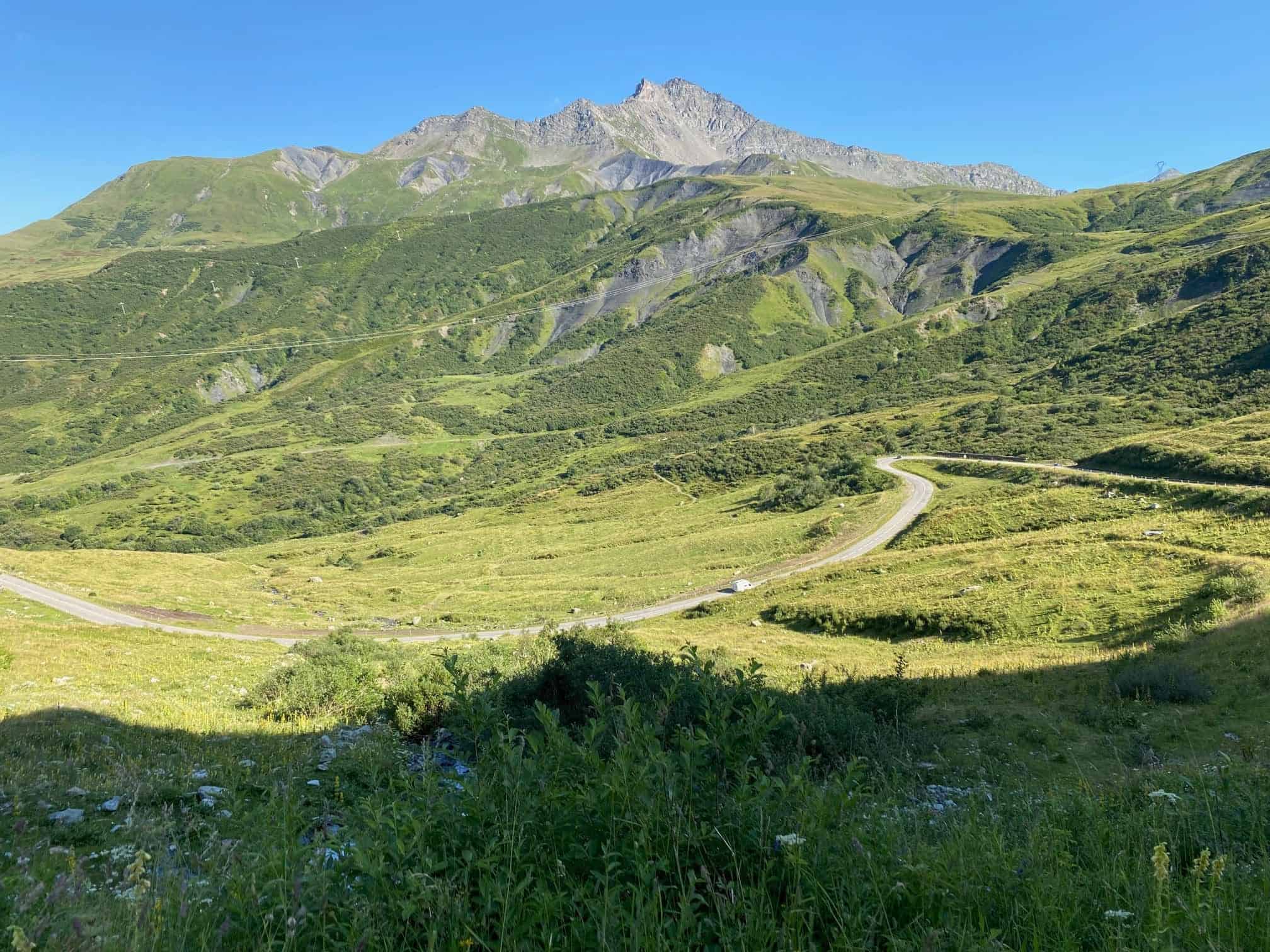
Rising to just under 2,0001 meters, Col de la Madeleine is the key road link between the Maurienne valley and the Tarentaise in Savoie.
It’s renowned among cyclists for being “beautiful, but heartbreaking” – a climb that isn’t defined by one brutal wall, but by sustained difficulty, changing rhythm, and long stretches where pacing discipline matters more than hero efforts.
Why ride Col de la Madeleine?
Because it’s one of the Alps’ best examples of a climb that is hard for grown‑up reasons: distance, gradient, and pacing—not gimmicks. You get two genuinely different experiences from the two valleys, plus the satisfaction of riding a col that has repeatedly shaped big Tour stages since 1969.
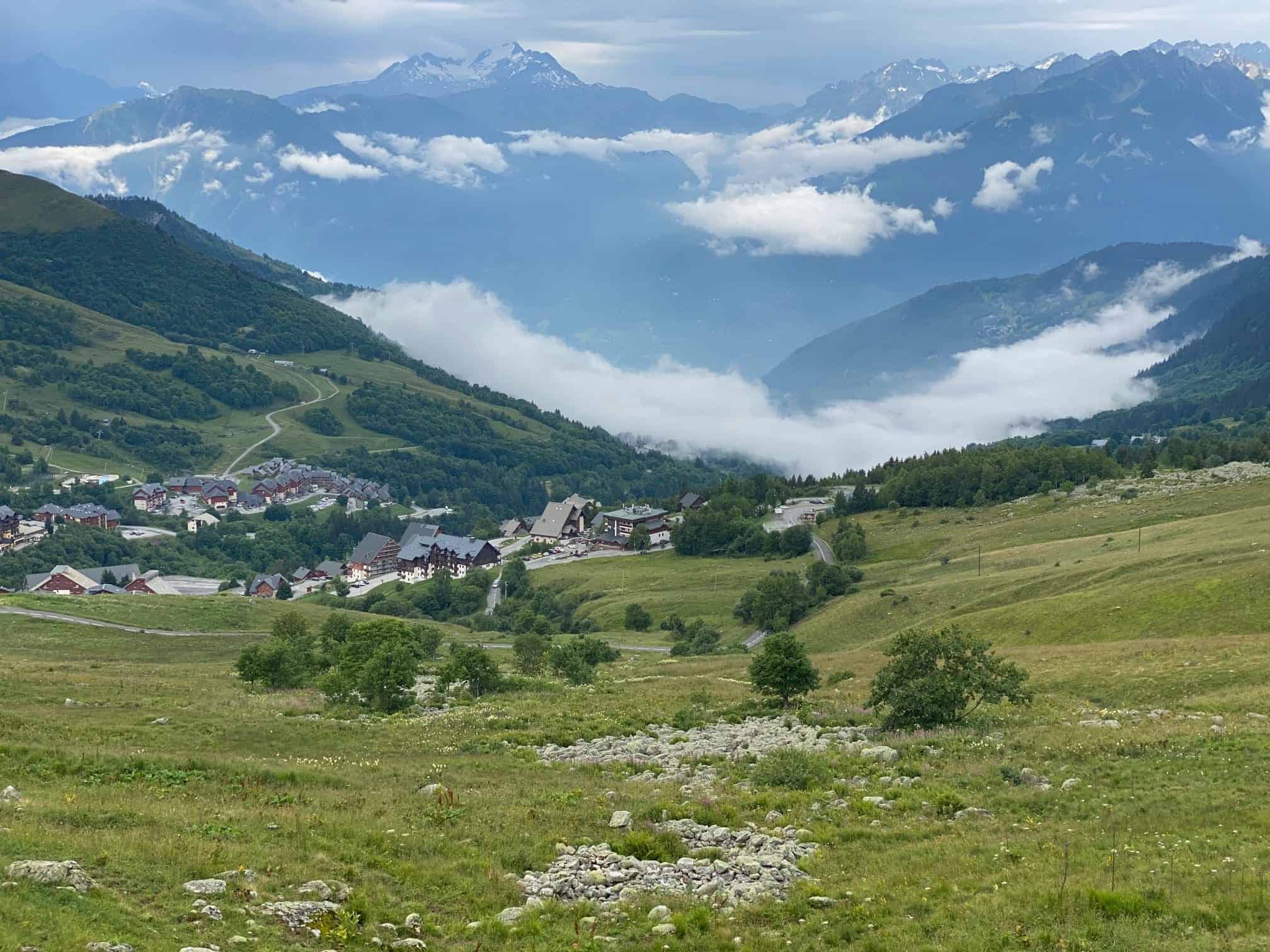
Scenically, the summit rewards you with broad alpine views that are often described in terms of the Mont Blanc and Lauzière massifs—one of the reasons it’s so frequently labelled “majestic” in classic cycling write‑ups.
Seasonal notes
Col de la Madeleine is a true seasonal pass: it is generally closed from November to the end of May due to snow and winter road conditions – exact dates vary with snowfall and clearance progress.
Early‑season riding can mean cold descents and lingering roadside snowbanks even after reopening, so pack layers and check live road status before committing to the climb.
Tour de France
The Col de la Madeleine has been included in a Tour de France stage 28 times between 1969 and 2025.
The Madeleine was also in the 8th stage of the Tour de France Femmes 2025, when Pauline Ferrand-Prévot reached the summit in the lead, winning the stage and taking the yellow jersey, ultimately winning that year’s Tour.
Maurienne vs Tarentaise
Col de la Madeleine is best understood as two distinct climbs, each shaped by its valley.
If you want the Madeleine as a pure climbing test, the Maurienne side delivers it: shorter, steeper, and more consistently demanding.
Its higher average gradient (around 8%) and maximum ramps into the low teens mean it rewards disciplined pacing and good gearing—especially because there’s less natural recovery built into the profile.
On the Tarentaise side the climb is longer and often described as mentally tricky: the average gradient is lower, but the effort can still feel relentless because of the distance and the way steeper sections reappear after brief respites.
If you enjoy long alpine ascents where you settle in, manage nutrition, and gradually grind up the mountain, this side is often the more satisfying “journey” climb.
La Chambre
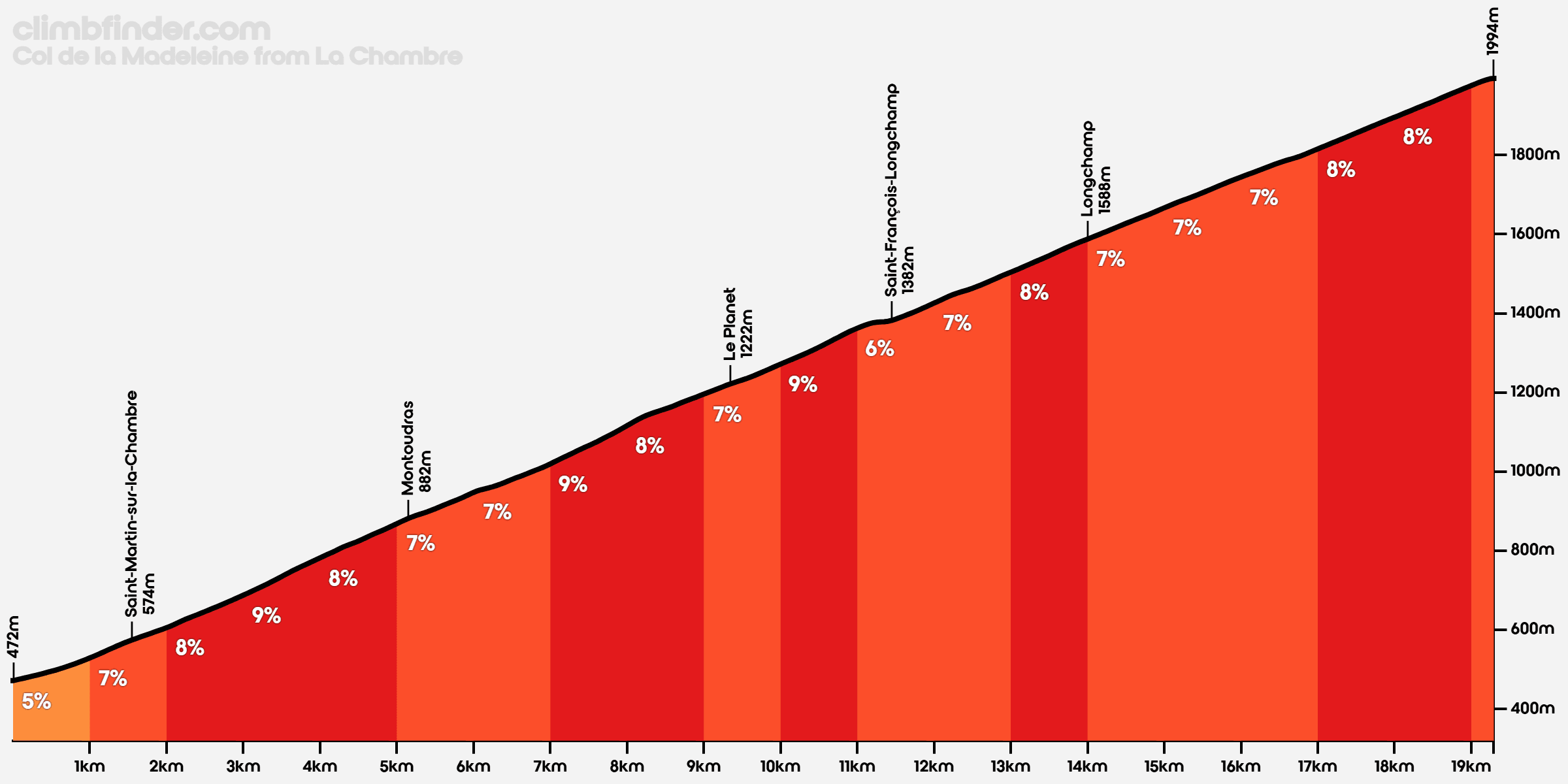
From La Chambre, the climb is just over 19b kilometers at an average of 8%, with a maximum of 13.5% but overall the climb is quite regular.
I’ve done this end in 2014 when I combined it with the Iseran from Bourg-Saint-Maurice and an up-and-down the Mont Cenis in between. Not a very smartly planned stage…
Since then, I’ve only cycled it from the Chaussy split, coming from the Lancets de Montvernier / Chaussy in 2021 and once via the below alternative in 2022.
– via Montgellafrey
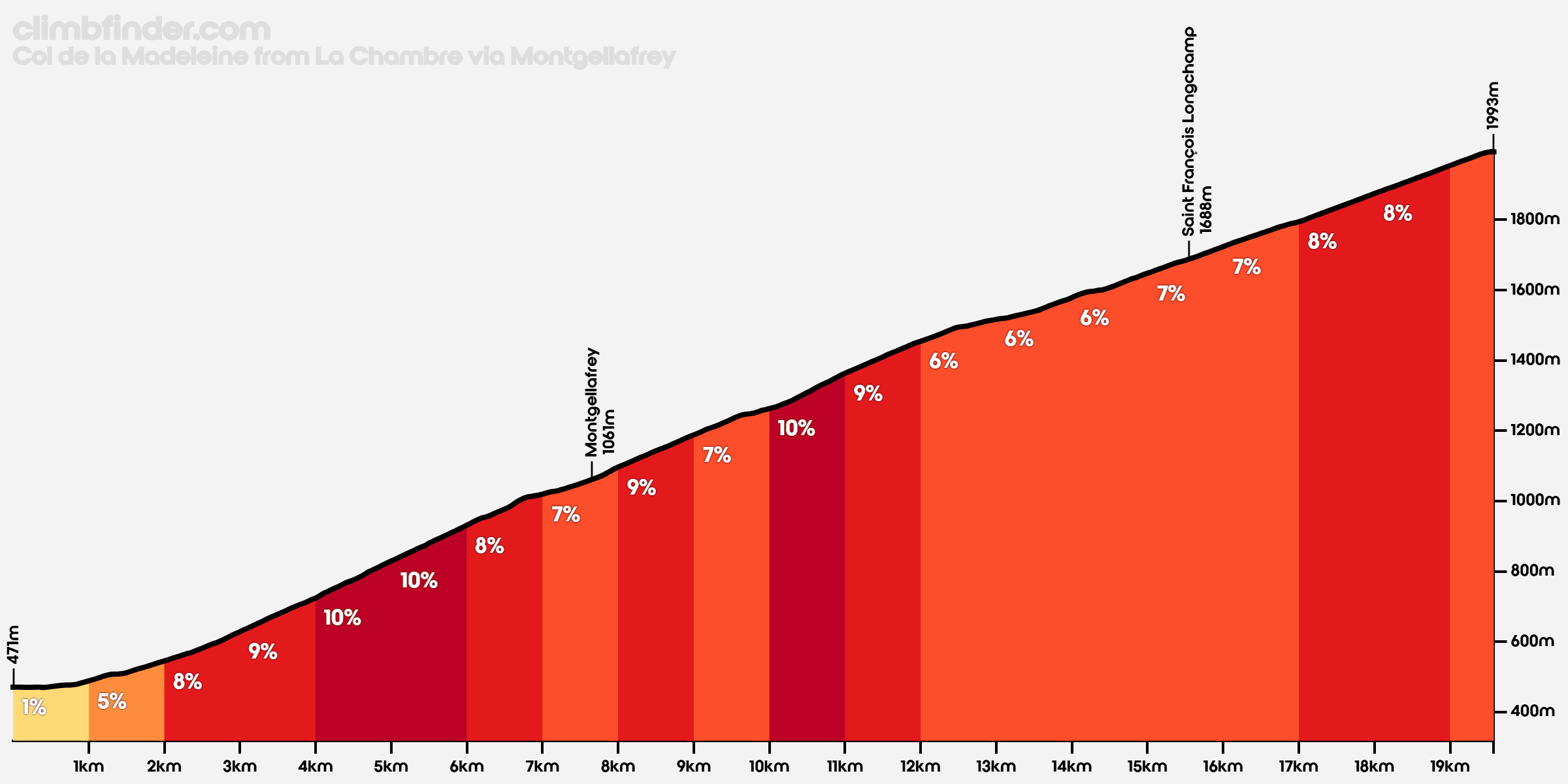
Similar in length, this ascent is tougher than the “classic” ascend and the Tour de Femmes stage mentioned above also travelled this route. It has a 5-kilometer stretch at 9.6%, including one kilometer at 10.6%, maxing out at 11.9%.
I cycled this alternative in 2022‘s stage 3, but I included the side road to the dead-end Lac de la Grand Léchère, which really didn’t make it any easier.
The downhill to La Chambre is a real treat, if you like fast descends.
Feissons-sur-Isère
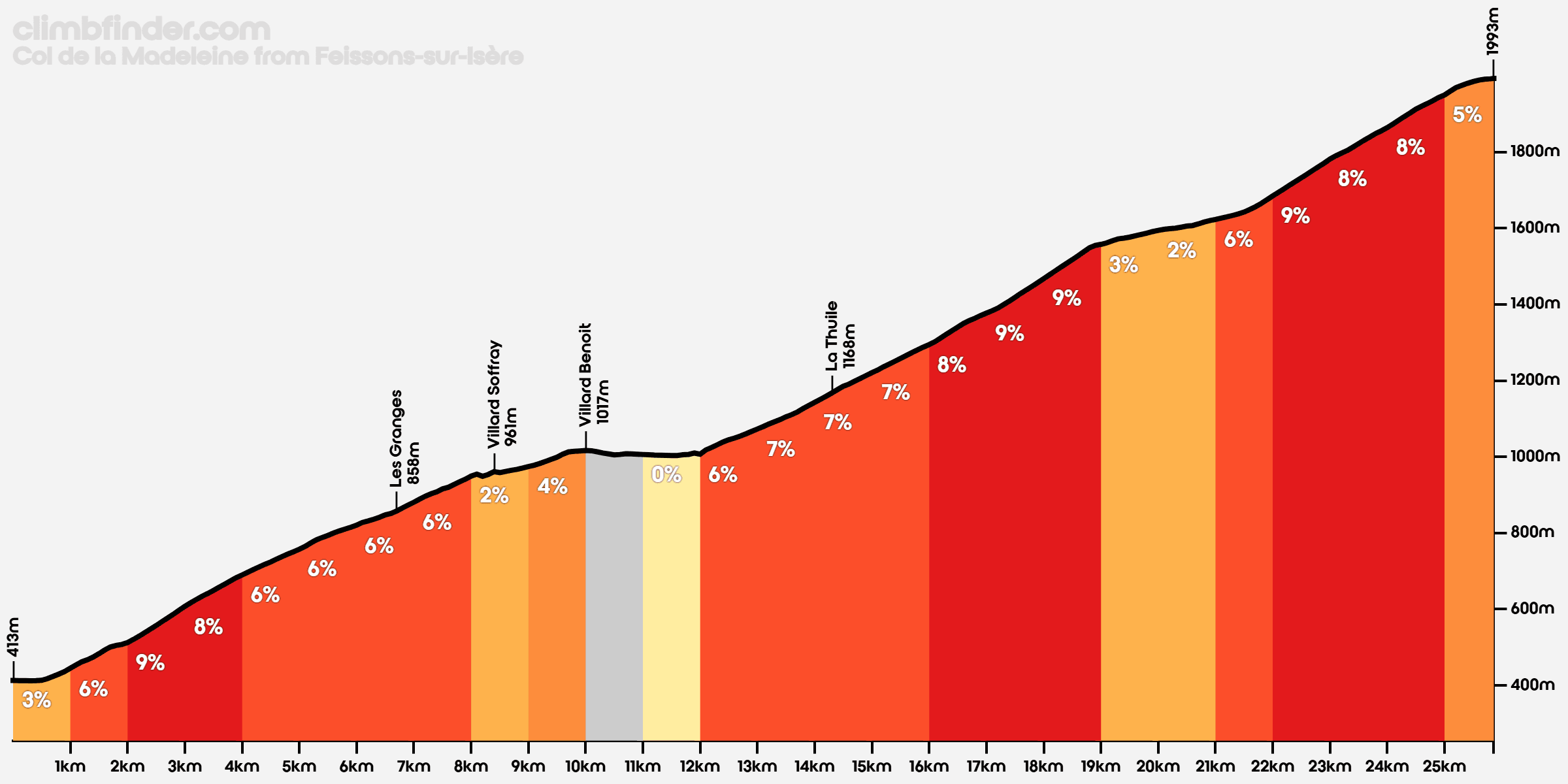
The Tarentaise approach is notably longer and often more “deceptive”: it includes sections where the road relaxes or even dips, before returning to sustained climbing.
There’s a billboard showing it is 26 kilometers long with 1,530 meters of D+ (5.6%) from there. While you might be tricked into thinking this is (a lot) easier, it is, in fact, not any easier than the ascent from La Chambre.
Just look at the red bits in the profile card – that should tell you enough…
I cycled this end in 2014, the day after the not-so-smart stage with the Iseran and the other end. Stupid is as stupid does, so I cycled it in 2021 the day after my Marmotte.
I rest my case…
In the Tour of 2024 it went better until about 5 kilometers before the summit.
1 The summit is at 1,993 meters but the marker reads 2,000 m as does the sign outside the refuge Les 2 Mazots, the one with the vintage motorcycle in front. Also, the Tour de France uses that number.